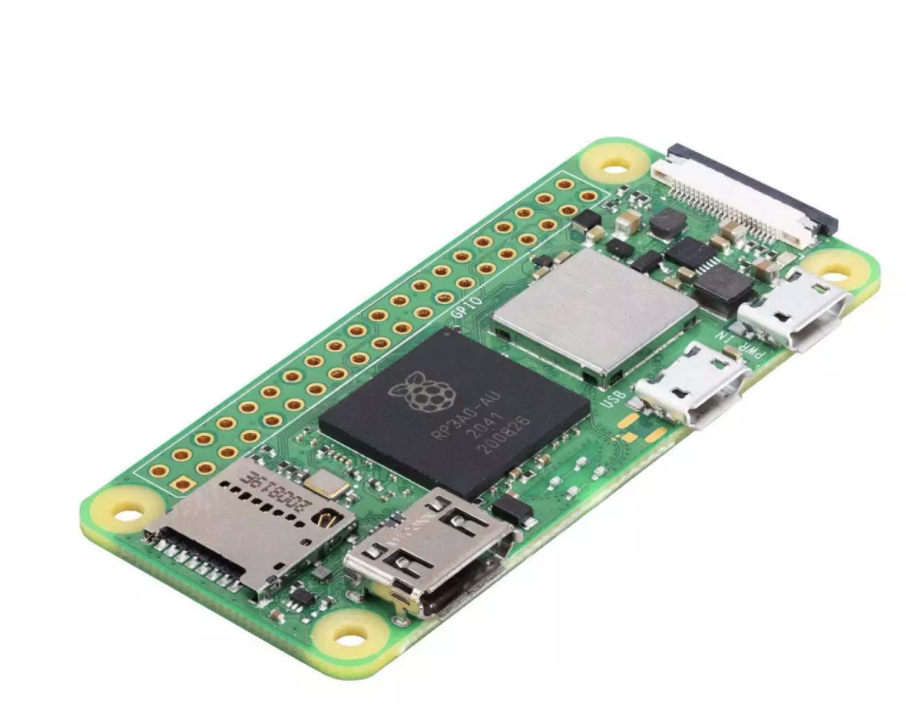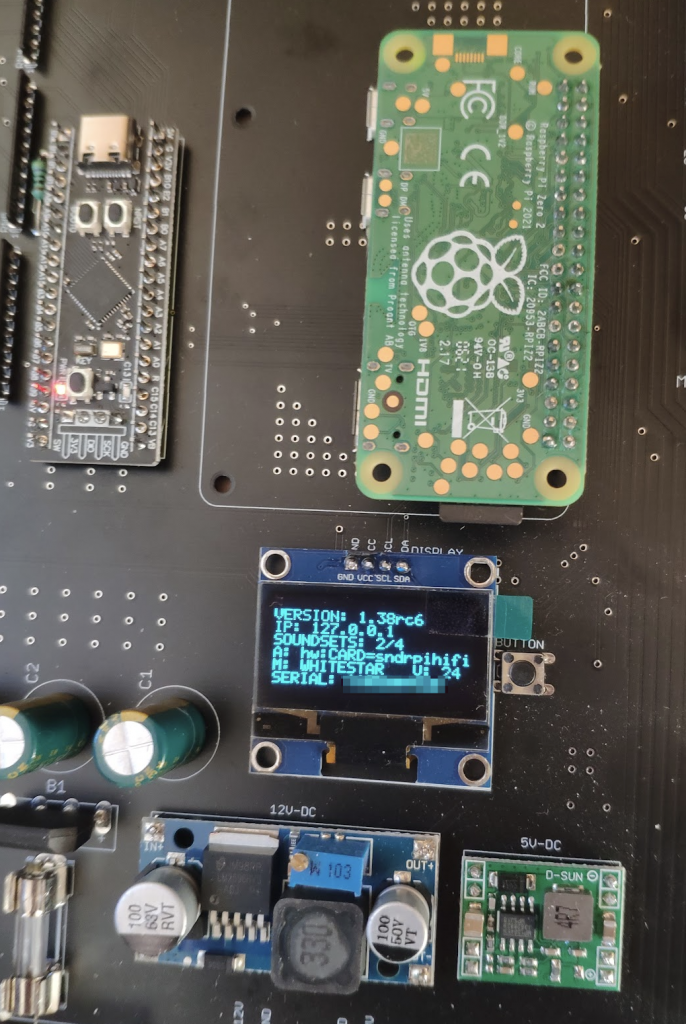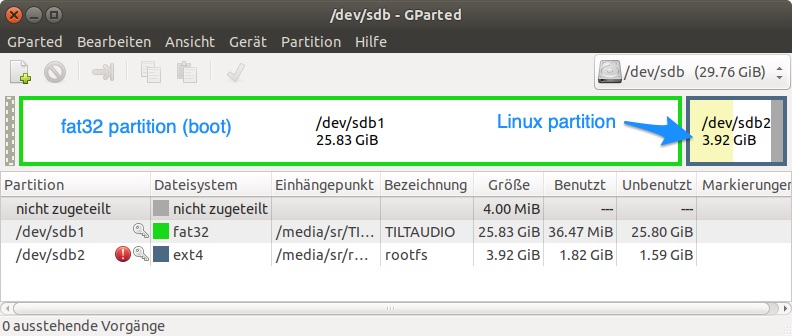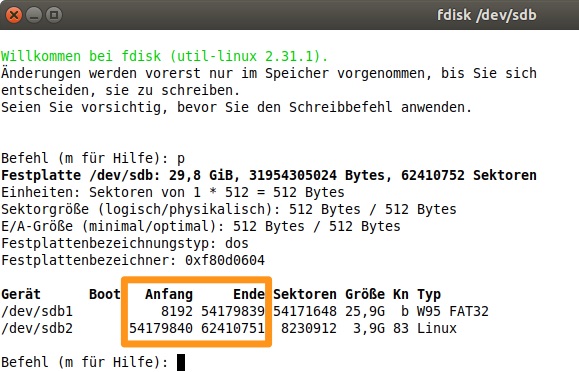
As I got serval requests for support of the Pi5 and also better support for Pi4 I updated the firmware image to the latest “Raspberry Pi OS” (by the time of writing 32-bit version from Nov/19/2024).
So this means I decided to go away from dietpi the distribution that was used so far. Even so dietpi claims a fast bootup time and better sd card lifecycle, this has not really proven in the past.
Boot up time
Boot up time is around 15 sec with Pi5 with the new image, all others (Pi3B, Pi3A, Zero 2) are at 24 sec, when using a “UHS Speed Class” card. Which is faster than before.
On image fits it all
Also Raspberry Pi Os runs on all supported hardware, dietpi has different versions for Pi5 and below.
Ram logging
To still prolong the sd lifecycle there is a new option enabled by default: logging to ram or main memory. This means logs are not persistent on the sd card, but only available while the system is running.
This means if you need to send my a log file, you either turn ram logging off, or you grab the log file via the web ui while the system is running.
Still beta, but please try
The latest image and firmware is still beta, so expect maybe a glitch here and there. I tested boot up on Zero 2, Pi3A, Pi3B, Pi4 and Pi5.
And Pi5 also “in the machine” so far all looks goods.
So please try it out and report feedback to me at steve@tiltaudio.com.
Download the beta here.
PS: today I fixed some bugs and further optimized startup time and sd card lifecycle:
– turned off swap
– disabled a couple of services
– bugfix for local AP not starting correctly
Security note
SSH is enabled by default and the initial user is not changed. So before putting the pi into a (public) nezwork please change the password of the user pi.